Agra in One Day: Beyond the Taj Mahal
What can you experience in Agra in a single day? Follow our journey through the Taj Mahal, local markets, street food and the city's famous petha.

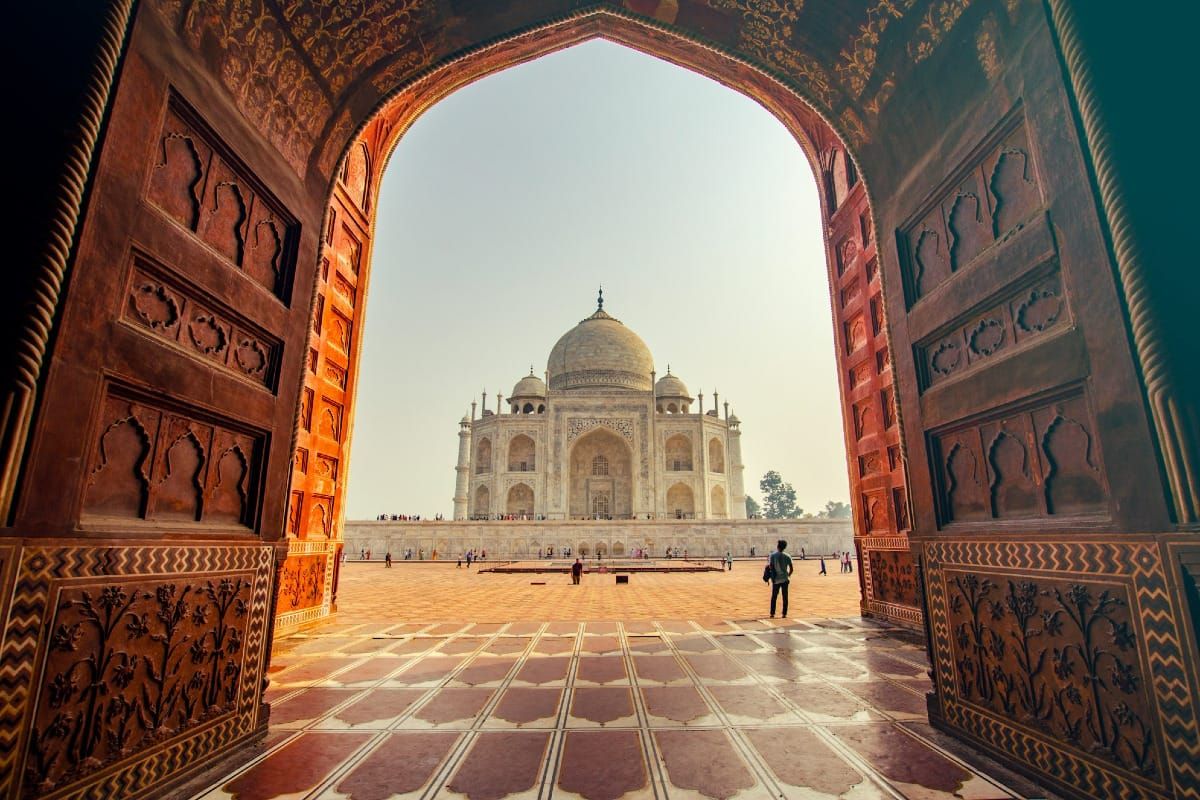
Planning a visit to Agra? A one-day trip can be a great way to explore the city's most famous landmark, the Taj Mahal, discover local markets, enjoy street food and experience the city's atmosphere beyond the monument.
Agra was not entirely new to me. I had visited the city before, when I was very young, as part of a school trip. Years later, I wanted to explore it again, this time with a little more time to appreciate its history and surroundings.
We planned a one-day visit and booked a hotel in advance. Here is how our trip unfolded.
Checking Into the Hotel
After reaching Agra, we headed straight to our hotel. However, the property looked quite different from the pictures we had seen on the booking website. We parked our vehicle and noticed that preparations for a wedding were underway at the hotel.
We checked in, freshened up and got ready to explore the city. Since we had only one day, we wanted to make the most of our time.
Our first stop was lunch, followed by the monument that brings millions of visitors to Agra every year: the Taj Mahal.
The Taj Mahal: More Than Just a Photograph
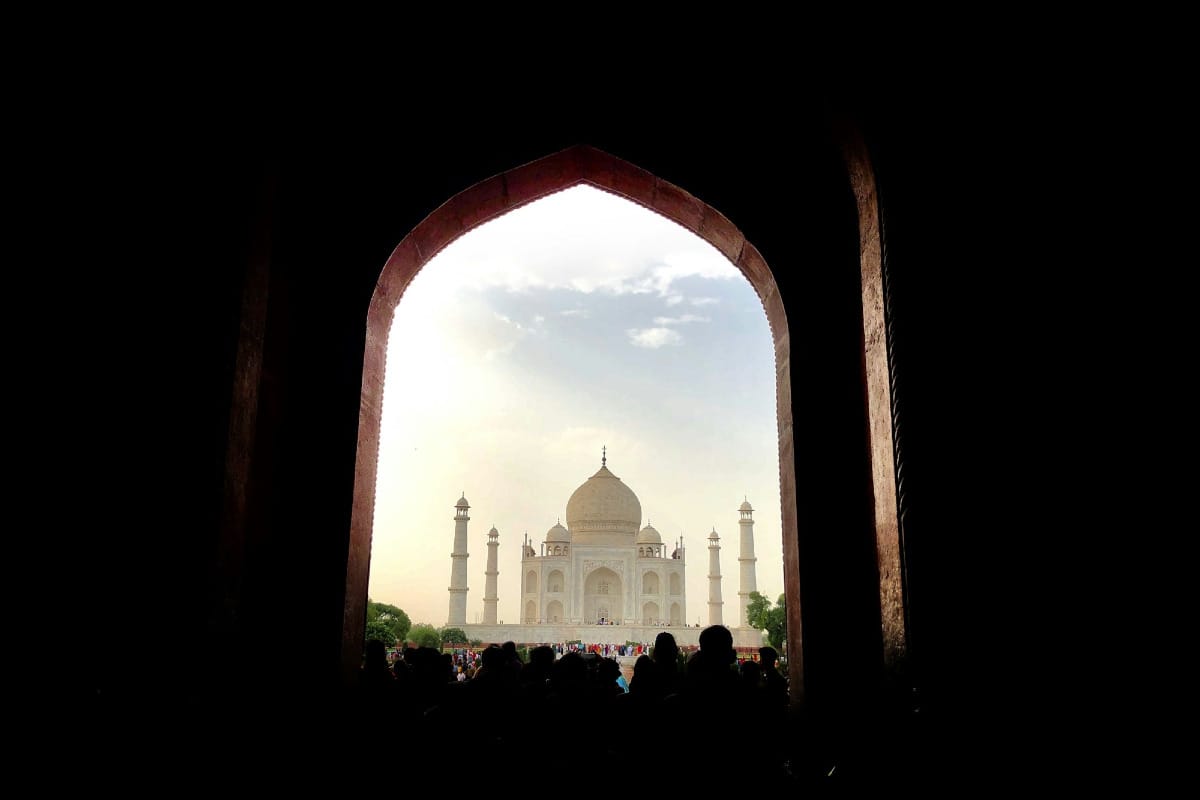
Agra's most famous landmark is also one of the world's most recognised monuments. The Taj Mahal is a white-marble mausoleum commissioned by Mughal Emperor Shah Jahan in memory of his wife, Mumtaz Mahal. Construction began in 1632, and the main complex was completed in the following decades. It became a UNESCO World Heritage Site in 1983. Source: UNESCO
As we approached the entrance, we completed the ticketing and security formalities. There were shops selling souvenirs and other items along the way, and we also noticed many international visitors who had come to see the monument.
Once inside, the scale of the complex became more apparent. The Taj Mahal is not just the central marble structure; the surrounding gardens, pathways, gateways and other buildings are also part of the experience.
We spent some time admiring the monument and taking photographs. Before entering the main mausoleum, we put on shoe covers, which help protect its marble flooring. Inside are the cenotaphs of Mumtaz Mahal and Shah Jahan, enclosed by intricately carved marble screens. Photography is not permitted inside the main mausoleum, so it is best to take pictures outside and appreciate the interiors without a camera.
The complex also includes a mosque and a guesthouse, positioned on either side of the main mausoleum. We noticed pigeons around the grounds, adding movement to the otherwise grand and carefully planned setting.
At the rear of the Taj Mahal, the Yamuna River flows along the monument's northern side. The view from this part of the complex offers a different perspective from the familiar photographs taken in front of the main structure.
The Taj Mahal was undoubtedly the highlight of our visit, but the atmosphere outside the monument was memorable in its own way.
The Lively Surroundings of the Taj Mahal
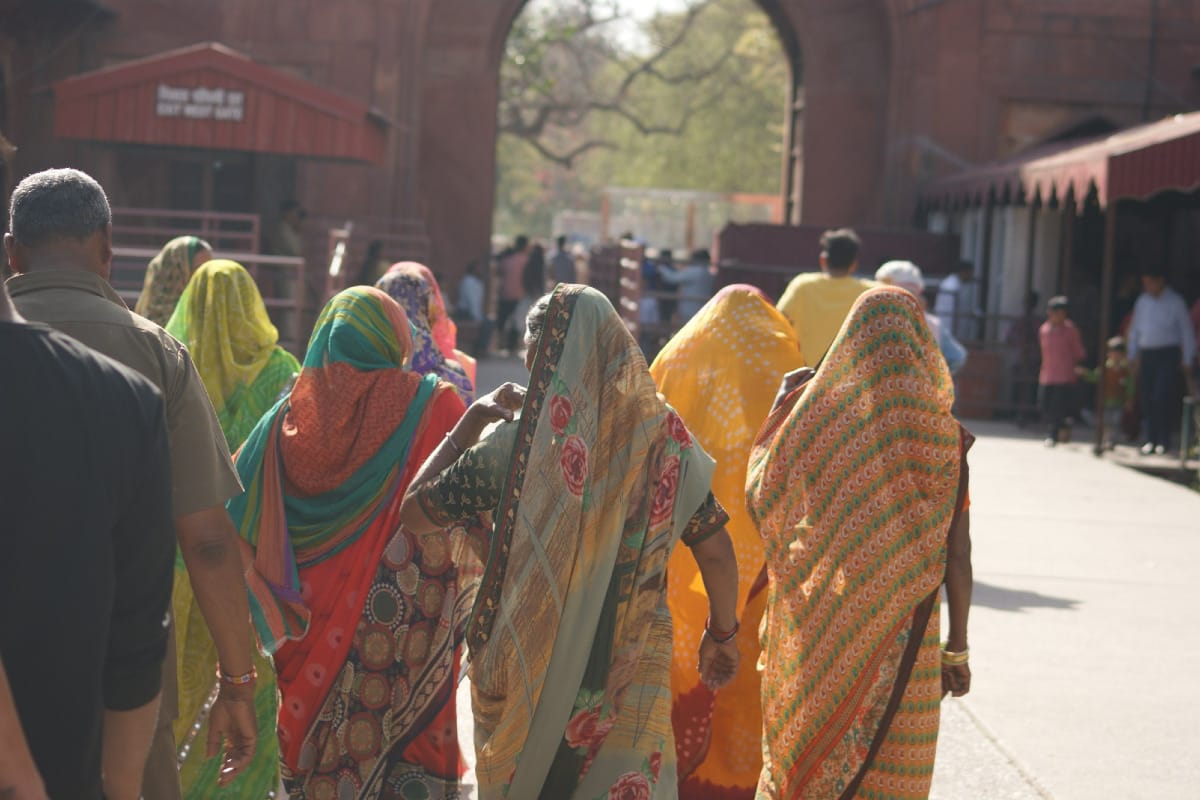
After coming out of the monument, we found ourselves surrounded by shops, hotels, cafés and visitors moving between different parts of the area.
There was a lively, welcoming atmosphere. People were shopping, stopping for refreshments, taking photographs and simply enjoying their time outside the monument.
Sometimes, a place does not require a packed itinerary or a particular activity at every moment. Simply walking around, observing the surroundings and taking in the atmosphere can become a pleasant part of the journey.
For us, this was one of those moments.
Exploring the Local Market
After visiting the historical landmark, we headed towards the local market near our hotel.
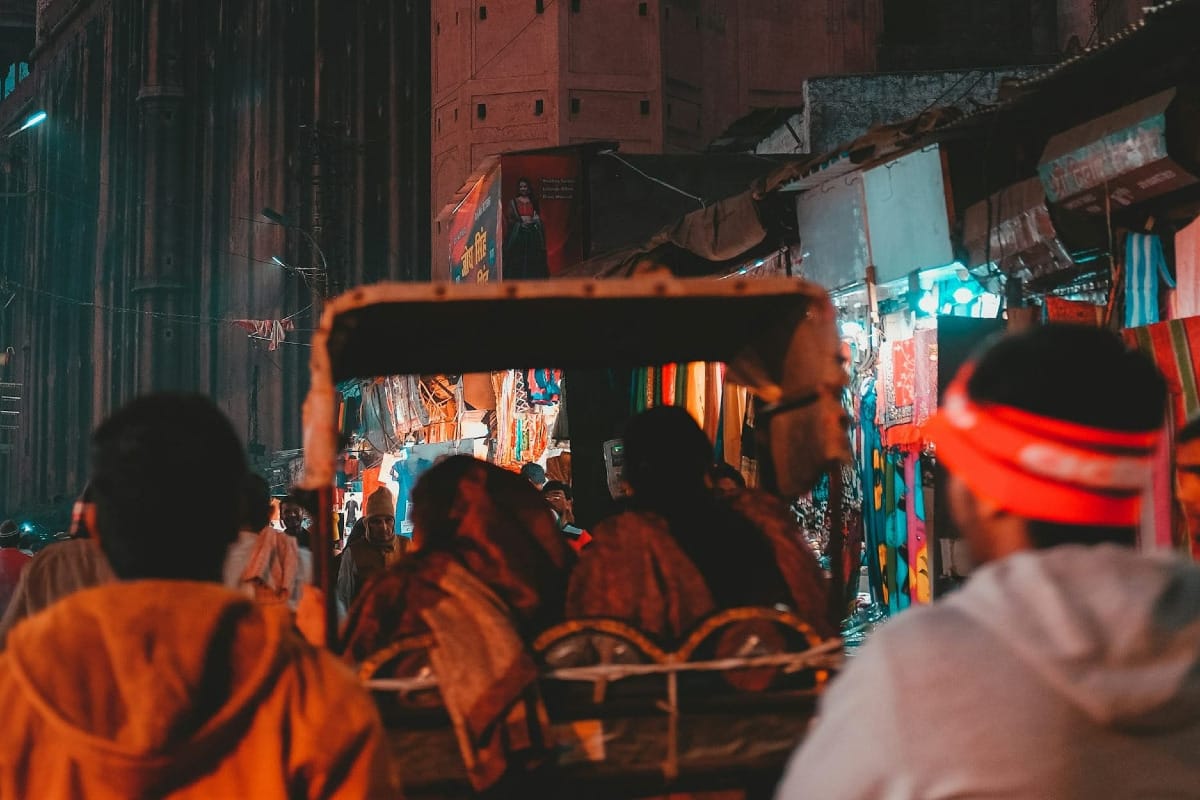
This part of the trip felt different from our visit to the Taj Mahal. The market was busy, and we stopped to try some street food. There were long queues at some food stalls, suggesting that the vendors were popular with visitors and locals alike.
While walking around, we also came across a local carnival or event that was taking place nearby. Children were singing and dancing, and watching their performances was a lovely surprise.
It was a simple moment, but one that added a different kind of experience to the day. Travel is often associated with famous landmarks and carefully planned sightseeing, yet the everyday activities and local celebrations can be just as enjoyable.
The market gave us a glimpse of Agra’s everyday life beyond the Taj Mahal.
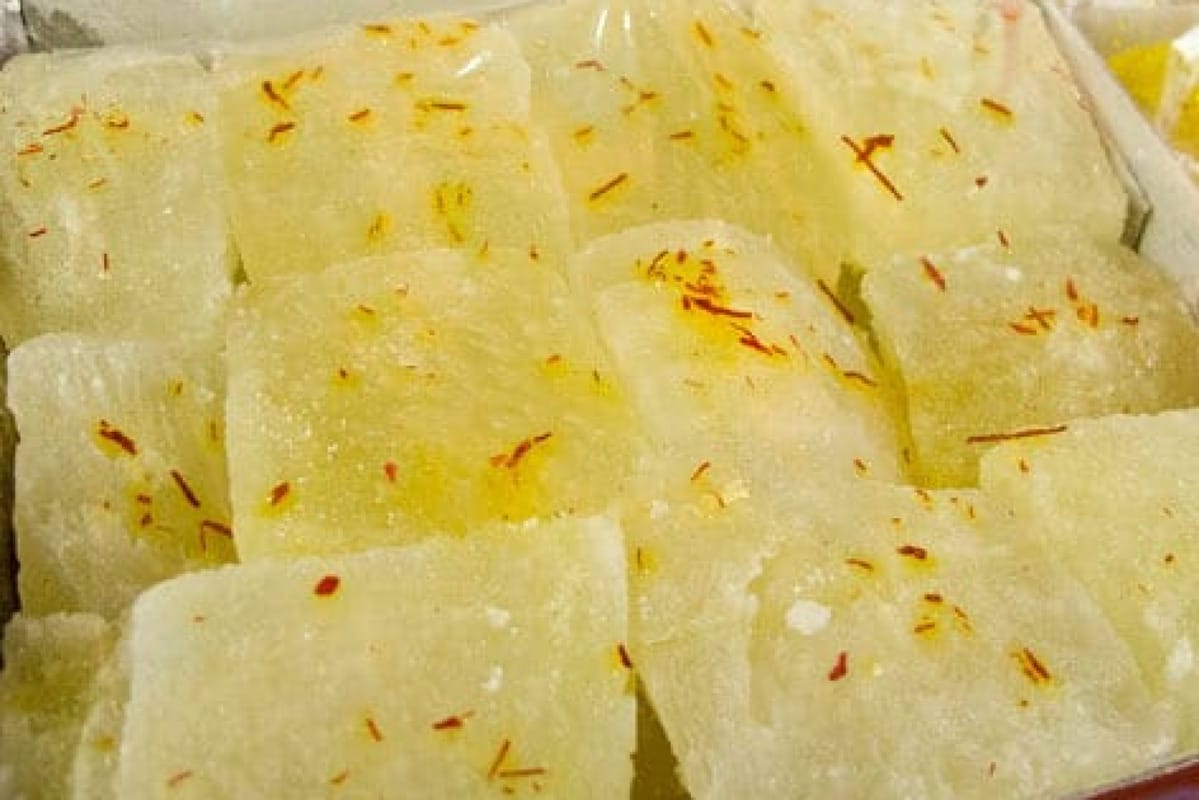
Ending the Day With Agra's Famous Petha
Before returning to the hotel, we stopped at a well-known shop to buy Agra's famous petha.
Petha is a traditional sweet made from ash gourd and is closely associated with Agra's food culture. It is available in several varieties, including plain, saffron and other flavoured versions. The sweet is closely associated with Agra and is one of the city's best-known local specialities.
Buying petha is a popular way to take a little piece of Agra home, whether for family, friends or simply to enjoy later.
After our stop at the sweet shop, we returned to the hotel. The wedding celebrations were still underway, bringing music and activity to the property.
We freshened up, changed into comfortable clothes and ordered dinner. The film Titanic was playing on the television, so we ended up watching it while eating and relaxing after a long day.
Eventually, it was time to sleep.
Sometimes, a short trip is not about seeing every attraction on a list. It is about experiencing a place at your own pace and returning with a few memories that stay with you long after the journey ends.