Inside Sheetla Mata Mandir: The Traditions and Stories Behind Navratri
Every year, devotees visit Sheetla Mata Mandir in Gurugram with prayers, family traditions and a deep sense of faith.

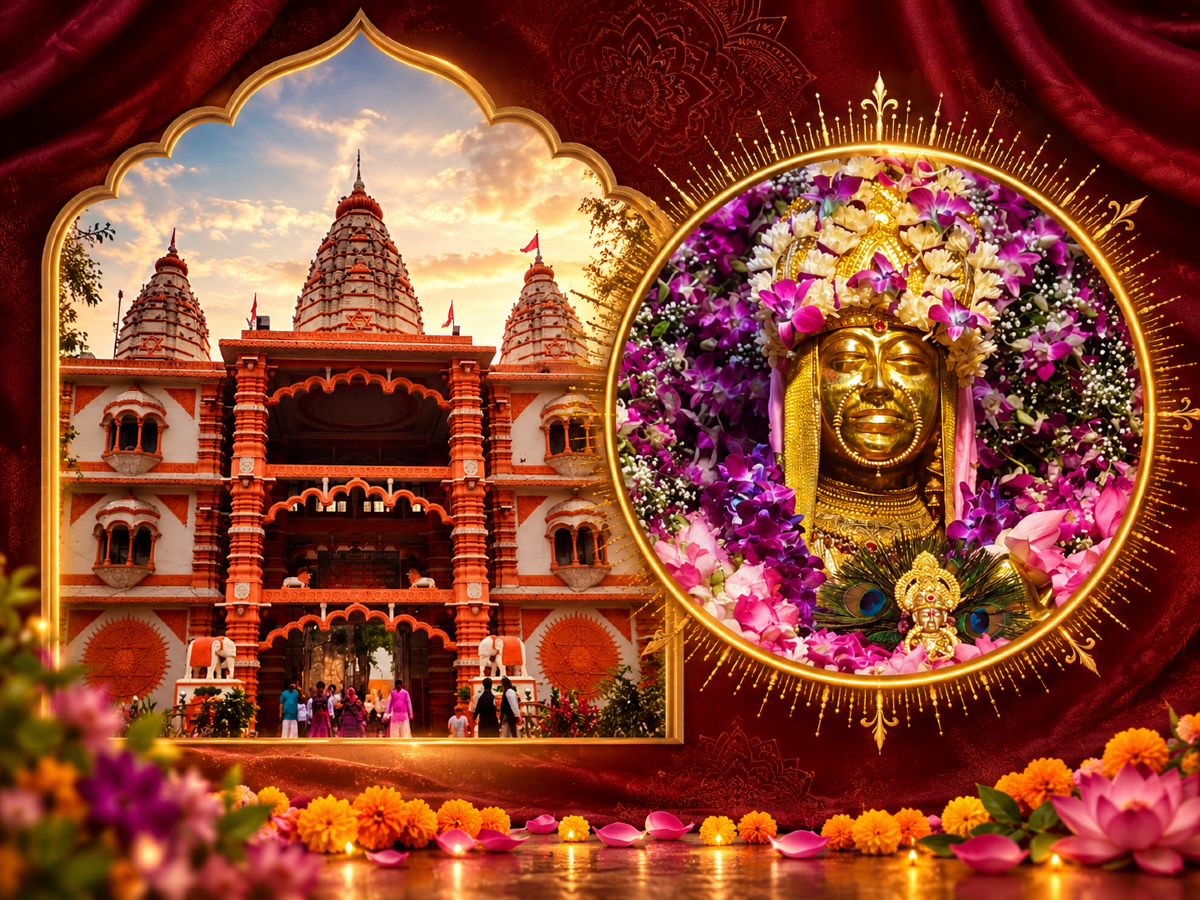
Navratri brings a different rhythm to temples across India. For devotees, it is a time of prayer, faith and seeking the blessings of the Goddess. At Sheetla Mata Mandir in Gurugram, however, the festival also brings extensive preparations, special rituals and a steady flow of devotees who travel from different parts of the country.
While the nine days of Navratri hold religious significance, the temple’s story extends beyond the festival itself. Family traditions, local beliefs and the people who work behind the scenes all contribute to its importance in the lives of devotees.
To understand what makes Navratri at Sheetla Mata Mandir distinctive, we spoke with a temple representative about its rituals, the beliefs associated with Mata Sheetla and the arrangements that help manage the large number of visitors.
Preparing for Navratri: Beyond the Temple Premises
For a temple that receives large crowds during Navratri, preparations begin well before the festival.
According to the temple representative, the temple administration coordinates with the district administration, police, fire brigade, medical teams and transport authorities to plan for the expected influx of devotees. These arrangements are intended to make the pilgrimage safer and more convenient.
Additional security personnel are deployed, medical assistance and first-aid facilities are made available, and fire services remain prepared for emergencies. Special transport arrangements, including buses to help pilgrims reach the temple from transport hubs, are also part of the preparations.
Since the temple remains open around the clock, staff members work in shifts to maintain services throughout the day and night.
Cleanliness and sanitation receive particular attention during the mela. Additional cleaning staff, toilet facilities and drinking-water arrangements help accommodate the crowds. Water coolers are placed at different points, while signboards guide visitors towards the temple and designated areas.
Crowd management is another important aspect. Barricades, designated vehicle arrangements and separate routes for authorized personnel help keep movement organized. CCTV cameras monitor the temple premises and surrounding areas, particularly places where crowds gather in large numbers.
The representative emphasized that the convenience of ordinary devotees remains a priority. The arrangements are designed to help people visit the temple and offer their prayers without unnecessary difficulty.
Special Prayers and Rituals During Navratri
Navratri is marked by special worship and religious observances at Sheetla Mata Mandir.
The rituals include Kalash Sthapana. On Navami, the observances include a larger ceremony involving 108 girls, along with a havan. The opening of the mela is also marked by a special puja.
Alongside the rituals, the temple’s decoration changes from year to year. According to the representative, this year’s shrine decoration featured coins and peacock motifs. Different materials and decorative themes have been used in previous years, giving the temple a distinctive appearance during the festival.
Although the core forms of worship may be similar across temples, the scale of the arrangements at Sheetla Mata Mandir reflects the number of devotees who come to seek the Goddess’s blessings.
The Belief Behind Sheetla Mata’s Worship
The religious significance of Sheetla Mata is closely connected with traditional beliefs about health, protection and the well-being of families.
According to the belief shared during the interview, when creation came into existence, Sheetla Mata was entrusted with the responsibility of protecting health and well-being. This belief forms an important part of the devotion associated with the Goddess.
Traditionally, people have prayed to Sheetla Mata for protection from smallpox and other pox-related illnesses, particularly those affecting children. Devotees seek her blessings for the health and safety of their families, reflecting a longstanding association between the Goddess and protection from illness.
This religious tradition is also connected to the temple’s local legend about Guru Dronacharya. According to the official website of Shri Mata Sheetla Devi Shrine Board, Sheetla Mata is identified with Kripi, the sister of Guru Kripacharya and the wife of Guru Dronacharya. She is remembered as the Gurumata of the Pandavas and Kauravas.
The Haryana State Gazetteer also records a local tradition identifying her as Kirpai or Lalita and describes her association with the care of sick children.
These accounts help explain the place Sheetla Mata holds in local religious belief. The association with illness and healing should be understood as part of the Goddess’s devotional tradition, rather than as a substitute for medical care.
The Devotees Who Return Year After Year
During Navratri, devotees arrive at Sheetla Mata Mandir from Haryana, Rajasthan, Punjab, Uttar Pradesh and other parts of India.
For some families, the visit is an annual tradition. Others travel long distances because they cannot visit the temple frequently throughout the year.
The significance of the visit often goes beyond offering prayers during a festival. For many devotees, it is an opportunity to maintain a connection with their family traditions and seek blessings for their loved ones.
The representative explained that the number of visitors increases considerably during particular days of the traditional mela.
Family Traditions and the Significance of Offerings
Sheetla Mata Mandir holds a special place in the lives of many families, particularly those who regard the Goddess as their Kuldevi, or family deity.
Certain customs are associated with important milestones in family life. One such tradition is mundan, the ceremony marking a child's first hair-shaving ritual. Families also visit the temple after marriage to perform jode ki dhok, a customary visit by newly married couples to seek the Goddess’s blessings. Devotees also come with prayers for children, family well-being and other personal hopes.
Offerings and rituals form another part of this relationship with the Goddess. Some devotees offer silver objects shaped like body parts, such as eyes or ears, as an expression of their prayers and gratitude for concerns related to health. Others take temple water after aarti or offer prasad as part of their devotion.
These practices reflect the different ways people express their faith. For many families, visiting the temple is not simply a festival activity but a tradition passed down through generations.
What Makes Navratri at Sheetla Mata Mandir Distinct?
When asked what distinguishes Navratri at Sheetla Mata Mandir from celebrations at other temples, the representative explained that the central forms of worship are broadly similar. The differences are often found in the scale of the celebrations, the number of visitors and the arrangements required to manage the crowds.
The temple’s family traditions, particularly mundan and jode ki dhok, are also an important part of its local identity.
The mela itself extends beyond the nine days of Navratri. According to the representative, the wider period of activity may continue for around a month, depending on the religious calendar.
This longer period brings together religious observances, family customs and the movement of pilgrims, making the temple an important destination for devotees beyond the main festival days.
A Personal Connection with the Temple
For the temple representative, the association with Sheetla Mata is personal as well as professional. He described Mata Sheetla as his own Kuldevi and expressed gratitude for the opportunity to serve at the temple.
He also shared accounts of devotees who believe that positive changes in their lives, including improvements in their health, have come through the Goddess’s blessings.
Such accounts are part of the faith and personal experiences that devotees bring to the temple. They demonstrate how religious belief can become intertwined with family memories, hopes and the ways people make sense of significant moments in their lives.
For First-Time Visitors: Faith and Reverence
For someone visiting Sheetla Mata Mandir for the first time, the representative’s advice was to approach the visit with faith and reverence.
Devotees commonly bring offerings such as coconuts and prasad, while tying a sacred thread is another expression of devotion for some visitors. As with any busy pilgrimage site, checking the temple’s current arrangements and following the instructions of temple staff can also help make the visit smoother.
For many people, the experience is about more than completing a ritual. It is an opportunity to pause, pray and participate in a tradition that holds meaning for their families.
Sources: