What Freedom Means to Different Generations
What does independence mean to different generations? From building a better nation to thinking freely, making choices and simply being heard, we explore how the meaning of freedom changes across generations.
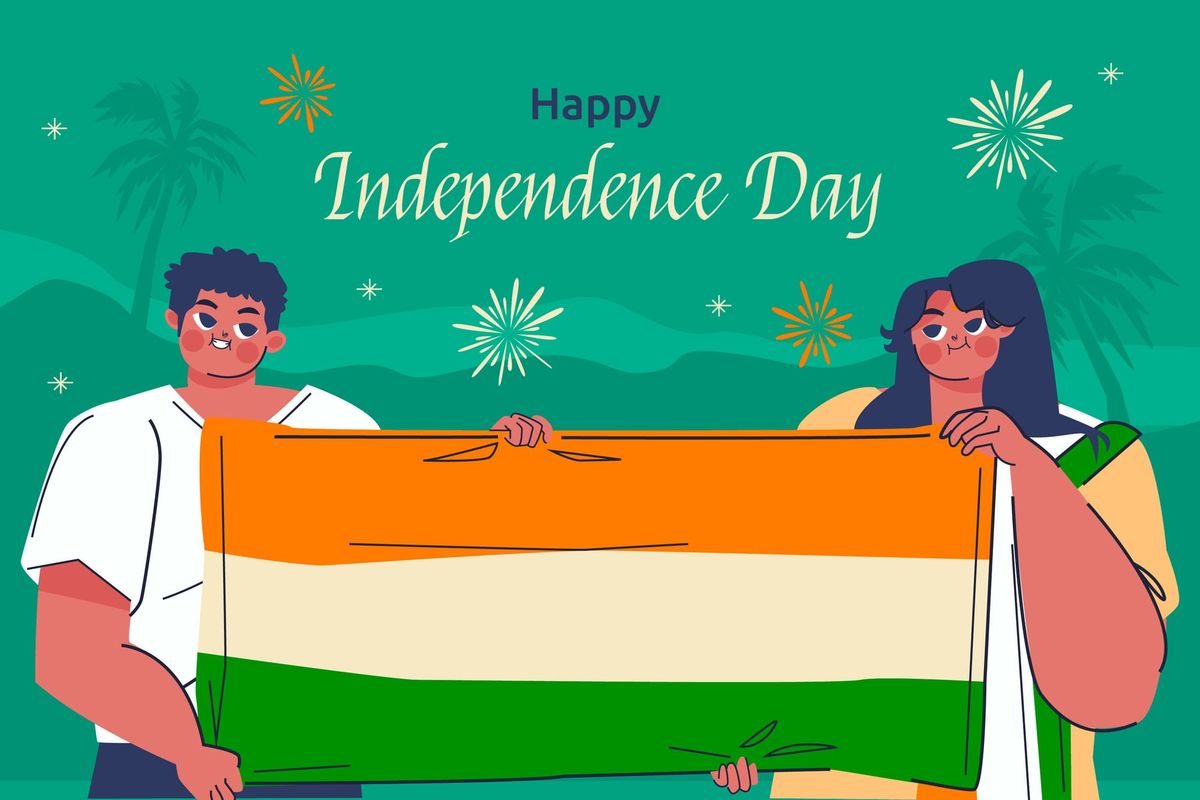
Every year, on 15th August, we celebrate Independence Day. We celebrate this festival in many different ways.
We celebrate it at school, at home, in our societies, and by going on tours with friends and family. We celebrate by hoisting the flag, distributing sweets, and watching school students dance and sing patriotic songs.
We also watch the Prime Minister hoist the national flag at the Red Fort and listen to the National Anthem.
At home, we watch patriotic movies and eat different kinds of food. We remember our heroes who sacrificed their lives for the country.
So, in total, we celebrate our Independence in many different ways.
But have you ever thought about what Independence means to you?
Let’s find out what different generations think about it and what Independence means to them.
The Grandparent Generation: Freedom Means Building the Nation
For the older generation, independence is closely connected with the country and the dreams that came with freedom.
For them, freedom means freedom from corruption, poverty and political interests that hold the country back. After 80 years of independence, they feel that India still has a long way to go.
True freedom, in their view, should mean better education, meaningful employment opportunities and a country where young people can build their futures without having to leave India.
It also means freedom of religion without political interference.
For this generation, independence is not only about what freedom allows us to do. It is also about what we do with the freedom we received—and how we use it to build a better country.
Millennials: Freedom Means Thinking, Questioning and Taking Responsibility
The Millennials we spoke to had several different interpretations of independence.
For one, freedom begins with independence of thought.
In a world influenced by social media, AI, advertising and misinformation, they believe that the ability to think independently is increasingly important. Freedom means examining different perspectives, questioning what we are told and forming our own opinions.
For another, independence is closely connected with responsibility.
They remember Independence Day as something deeply emotional—a day that reminded them of the sacrifices made by freedom fighters. For them, freedom is not merely about celebration. It also comes with the responsibility of respecting parents and teachers and becoming a good citizen.
Another Millennial sees freedom as the freedom to question.
Why should we follow something simply because generations before us followed it? For them, asking “Why?” is an important part of being free. At the same time, they believe that we can disagree with someone's thoughts while still respecting their right to have them.
And for another, independence is much more practical: being able to stand on your own.
Doing your own work, making your own decisions and not constantly depending on someone else can create confidence and courage.
For Millennials, then, independence appears to be about thinking for yourself, questioning what you inherit, taking responsibility and becoming self-reliant.
Gen Z: Freedom Means Choice and Self-Growth
For Gen Z, independence becomes even more personal.
One Gen Z perspective we heard was that independence means being able to make your own decisions without pressure.
Guidance is welcome—but it should not become an instruction about how you must live your life.
Financial independence is an important part of this freedom too: being able to support yourself, bear your own expenses and not feel indebted to someone because of their financial support or favours.
But independence isn't only about money.
It is also about having your own identity, making your own choices, facing situations independently and learning from those experiences.
In this sense, freedom becomes a journey of self-growth—the ability to make choices, face their consequences and become a stronger person.
Another Gen Z voice adds a different dimension: For this person, independence means having the freedom to express your thoughts and opinions without being silenced or restricted.
They particularly connect this freedom with women and children. They believe that independence should not be understood as something meant only for men—women and children deserve the same right to be heard, make choices and have a voice in society.
Gen Alpha: Freedom to Be Heard and Learn Differently
For the youngest generation we spoke to, independence takes a much more immediate and personal form.
For one child, freedom means having their own thoughts and not having older people constantly trying to change them according to their own ideas. They want space to learn, play, talk and grow in their own way.
Another child described freedom as living without fear and unnecessary restrictions. They want to be respected by the people around them and wish for a cleaner society.
Another connected freedom with something even closer to home: being understood by parents.
They want their parents to listen to their feelings, support them and help them move forward—even when they don't always agree.
For Gen Alpha, independence seems less about political or economic ideas and more about something very personal:
This is another Gen Alpha perspective : For this child, independence is connected to having a better and fairer education system. They want schools to move beyond traditional teaching methods and use technology, projects and more interactive ways of learning.
But their idea of freedom also extends to fairness and trust. They question the value of studying when exams can be leaked and believe students should not have to accept such problems as normal.
They also feel that schools can be too strict, with rules that sometimes feel unnecessary.
One Word, Many Meanings
Four generations. Different experiences. Different definitions.
For the Grandparent Generation, independence is about the nation we built.
For Millennials, it is about the thoughts we form, the questions we ask and the responsibilities we take.
For Gen Z, it is about making choices, becoming financially independent and discovering yourself.
And for Gen Alpha, it is about being heard, understood, free to learn differently and able to question the world around them. Perhaps this is what makes independence so difficult to define.
Freedom is not one fixed idea.
As the world changes, our circumstances change—and so does our understanding of what it means to be free.
Maybe independence is not only about the freedom we inherited in 1947.
Maybe it is also about the freedoms each generation continues to seek in its own time.
So, what does independence mean to you?